
- Pipe
- Bridges & Structures
- Walls
- Stormwater Management
- Erosion Control
- Start a Project
- Knowledge Center
- Technical Documents

At first glance, singing the praises of one’s own employer might seem a bit self-serving, but as a dedicated environmental professional, I do feel the story is worth telling. I don’t have to work here after all, but Contech’s sustained commitment to developing effective stormwater control measures (SCMs), advancing stormwater science, and advocating for robust stormwater policy has kept me motivated to keep at it for 22 years and counting.
Phosphorus is the second-most-regulated pollutant in stormwater runoff after total suspended solids. However, engineers and regulators are still learning how to remove phosphorus from stormwater to promote healthy waterways and meet agency requirements.
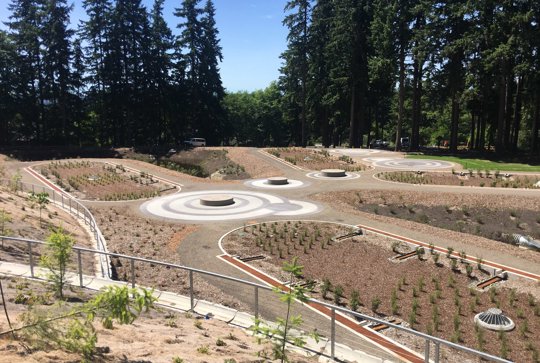
Public parks benefit the community by providing places for recreation, gathering, education, and relaxation. Often, they provide benefits in the form of economic vitality and enhanced livability by driving tourism, improving our physical and mental health, and boosting neighborhood connectivity within the areas we live, work and play. Most everyone would agree that a public park's social, economic, physical and environmental health benefits are of great value to its community.
SUBSCRIBE
The Stormwater Blog is featured on the Contech eNewsletter. Get insights, news, tips & tricks delivered directly to your inbox.


