
- Pipe
- Bridges & Structures
- Walls
- Stormwater Management
- Erosion Control
- Start a Project
- Knowledge Center
- Technical Documents
Civil engineers face a level of complexity and expectation that continues to rise year after year. Beyond mastery of core engineering principles, today’s professionals must navigate advanced digital design platforms, manage accelerated project timelines, interpret evolving regulatory frameworks, and coordinate seamlessly across multidisciplinary teams. At the same time, they are expected to deliver solutions that balance performance, constructability, sustainability, and cost—often amid tighter budgets and heightened public scrutiny.
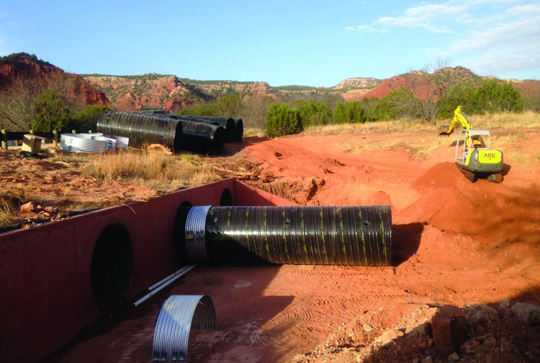
We are often asked, “How much does a reline project cost?” While this is a straightforward question, the answer depends on multiple factors. Before attempting to provide a cost estimate, it’s important to consider the broader perspective—particularly in comparison to traditional open-cut replacement.
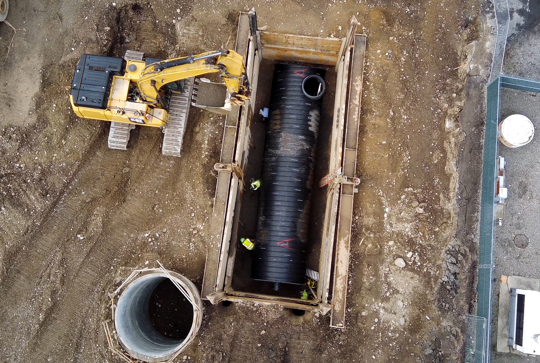
In the realm of sanitary sewer storage solutions, large diameter pipes stand out as a beacon of cost efficiency and practicality. These pipes, often ranging from 30 inches to 120 inches in diameter, offer a multitude of benefits that cater specifically to the needs of municipal and industrial wastewater management systems.
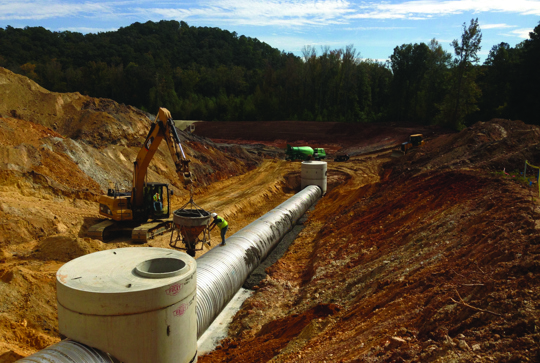
Storm sewers are essential in managing rainwater and stormwater, ensuring that our streets and neighborhoods are protected from flooding. Advanced storm sewer systems not only offer enhanced performance but also provide significant cost benefits and ease of installation

Choosing the right culvert or buried bridge structure is crucial for any site application. While this may seem straightforward, it involves numerous practical and functional considerations. Project engineers and site developers must address these factors early in the planning stages.
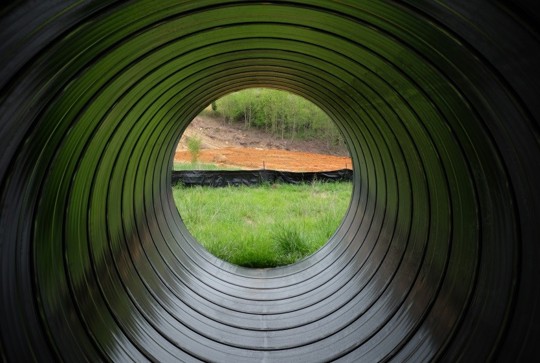
When it comes to designing extensive storm sewer conveyance systems, engineers and agencies are constantly seeking innovative alternatives to traditional reinforced box culverts. Contech, a leading player in drainage and stormwater, has been at the forefront of exploring efficient and effective solutions for moving stormwater across the country. While concrete has been the default choice for larger systems, there's a compelling alternative worth considering – Smooth Cor™.
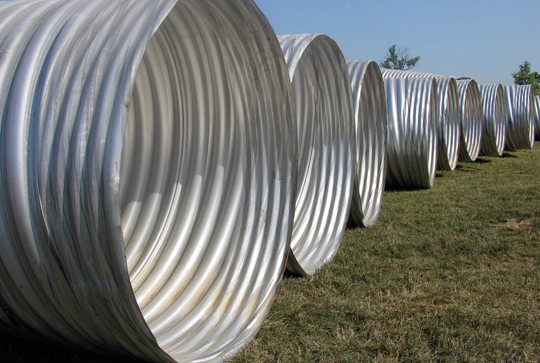
The notion of bolstering safety factors in pipe design to compensate for subpar installation practices is a complex issue with various considerations. The effectiveness of buried flexible metal and plastic pipe systems hinges on a synergy between pipe strength and the surrounding soil support. Design procedures already integrate safety factors, emphasizing the vital role of proper installation in ensuring performance. Relying solely on increased pipe wall strength in design won't mitigate poor installation practices.
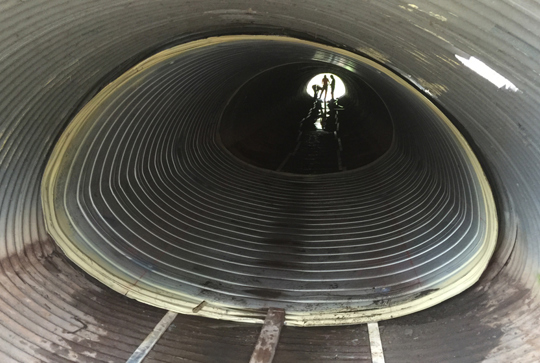
When a culvert or storm sewer reaches the end of its useful service life, the option to excavate and replace is commonplace. However, having the additional option to reline the existing structure to provide a structural solution can save significant time and money. A key to determining whether or not to excavate and replace or to structural reline an existing pipe is to assess the condition of the current pipe.
SUBSCRIBE
The Pipe Blog is featured on the Contech eNewsletter. Get insights, news, tips & tricks delivered directly to your inbox. Sign Up Today to Receive.

