
- Pipe
- Bridges & Structures
- Walls
- Stormwater Management
- Erosion Control
- Start a Project
- Knowledge Center
- Technical Documents
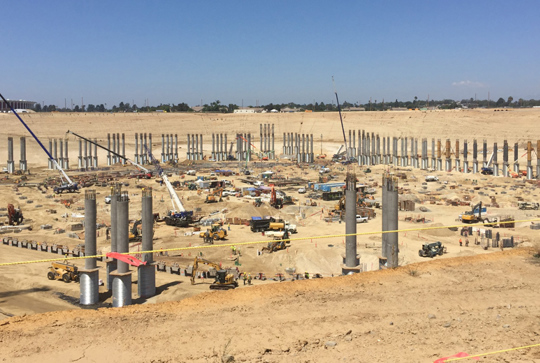
I was excited to be able to conduct a little research into the history and development of the Chicago Caisson Method in preparation for the recently held Vertical CSP Foundations webinar. I learned quite a bit and wanted to share some of the key takeaways with all of you
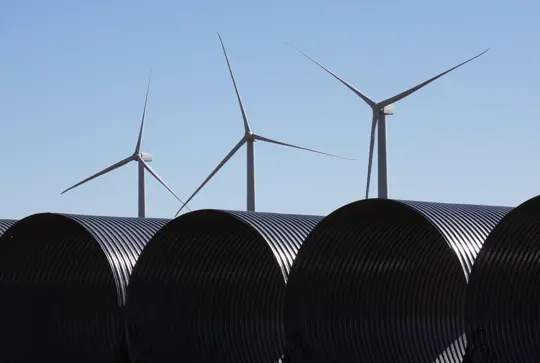
Deep foundations along with Gravity spread support the largest wind turbine generators (4.5 MW turbines currently) in operation. As the turbines are increasing in size, Gravity spreads are approaching the limits of both their capacity and economical limits. Deep foundations are positioned very well for these larger applications due to their design advantages.
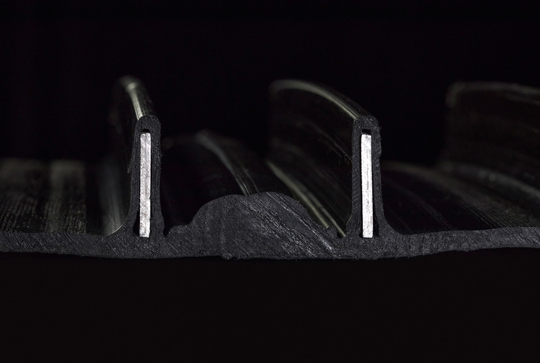
We’re excited that DuroMaxx® Steel Reinforced Polyethylene (SRPE) has been accepted for use by the Georgia Department of Transportation (GDOT). DuroMaxx is now an approved material type for drainage and culverts applications that can be considered on DOT projects all across the state of Georgia! DuroMaxx has continued to gain traction nationwide as DOTs evaluate the quality of its structural components and see the in-field performance results of this innovative product.

If you were born before the 90s, then you probably remember Y2K. The world was approaching the year 2000, and up until then, computers were saving precious memory space by only recording the last two digits of the year. The year 1999 was logged on a computer as 99.
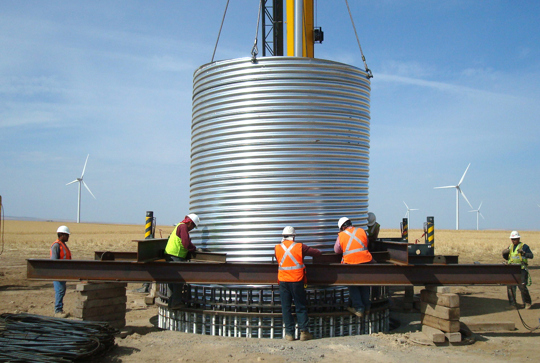
Long before the creation of the industrial bread slicer, Corrugated Steel Pipe was invented in the United States. Corrugated Steel Pipe was first used for hydraulic cross culverts in the early 1900s. Since the first culvert application, Corrugated Steel Pipe has been used in many different construction applications.
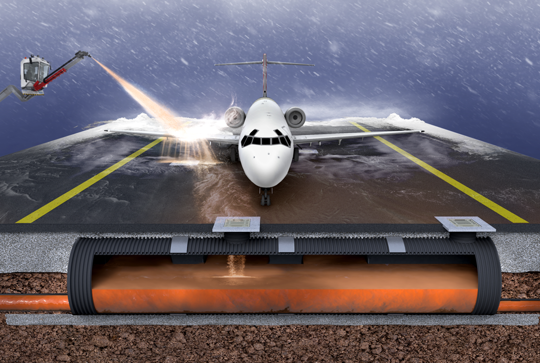
In our recent national webinar featuring “Efficient Design Solutions for Airfields”, one topic that garnered a large amount of interest was dealing with contaminated runoff. Two target chemicals in the case of airfield runoff are spent glycol from aircraft deicing operations and deployed AFFF fire suppressants.
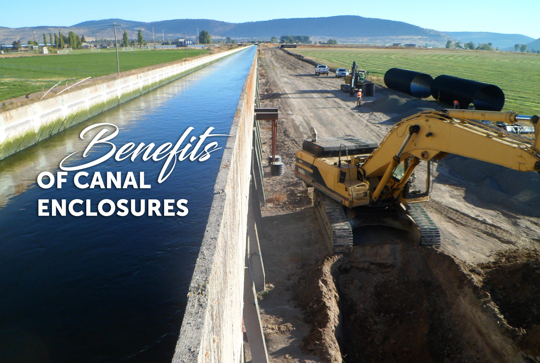
When people look at federal appropriations for construction or maintenance projects they don’t understand, they begin to question the necessity of those projects. The case for this blog is one of converting open irrigation channels into piped irrigation lines. If you live in the eastern half of the country, where water is much more readily available, you might look at your tax dollars going to enclose a perfectly good channel or ditch and wonder if it’s worth it. Let's take a closer look at just how important enclosing a canal may be.
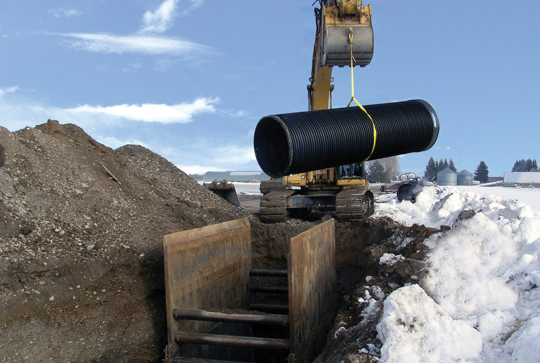
I know you all have been waiting with baited breath to find out the in's and out's of the last two considerations when evaluating a large diameter flow thermoplastic sewer solution. To recap, typically, the larger diameters tend to have far less directional changes and lateral connections. Also, interceptors tend to have deeper heights-of-cover in gravity flow applications. Many interceptors are designed to flow 50% to 70% full, with minimal slope, deep covers, and within groundwater (requiring dewatering installation). It is also not unusual for new interceptors/trunks to be miles of pipe using several diameters.
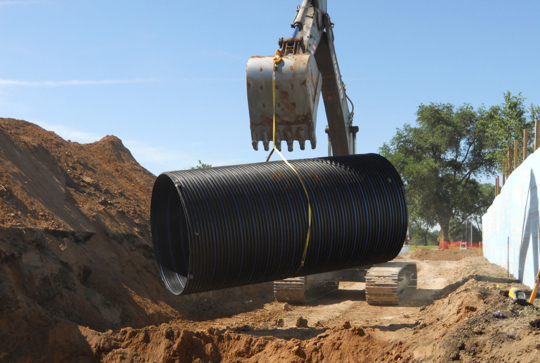
The need for large and ultra-large sanitary sewers is growing as community populations and conveyance flow requirements increase. Many expert studies have estimated that the sanitary sewer market will grow at a 6% compound annual growth rate (CAGR) in the coming years. With this growth, alternative materials, such as thermoplastics, are being designed more frequently due to the corrosive sanitary sewer environment.
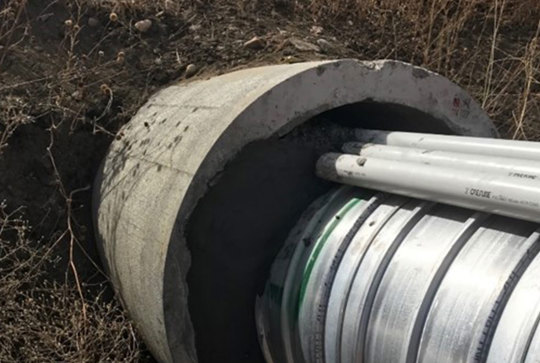
Continuing to address some of the recently asked questions regarding reline, I wanted to respond to a few other questions that may warrant a little more time and attention. I hope these responses prove helpful and aid in your next reline/rehabilitation project opportunity. Should you have any other questions on the reline process, please reach out to us!
SUBSCRIBE
The Pipe Blog is featured on the Contech eNewsletter. Get insights, news, tips & tricks delivered directly to your inbox. Sign Up Today to Receive.