
- Pipe
- Stormwater Management
- Bridges & Structures
- Walls
- Erosion Control
- Start a Project
- Knowledge Center
- Technical Documents
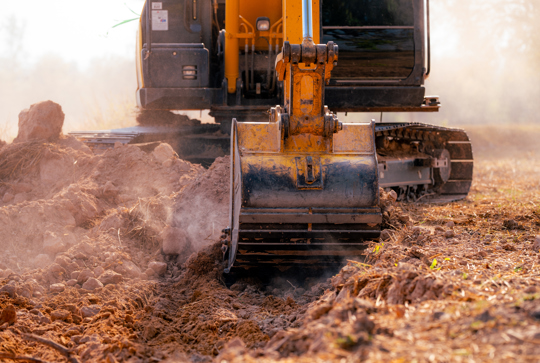
Buried pipelines are often “out of sight, out of mind,” but protecting them during construction is critical. Heavy equipment loads can exceed design limits, requiring additional temporary or permanent cover to prevent damage. Contractors must locate and mark buried pipes, then use cover-height tables—based on equipment type and load details—to determine proper protection. By applying the right cover and maintaining it throughout grading, paving, and other activities, contractors can safeguard installed pipelines and avoid costly failures.
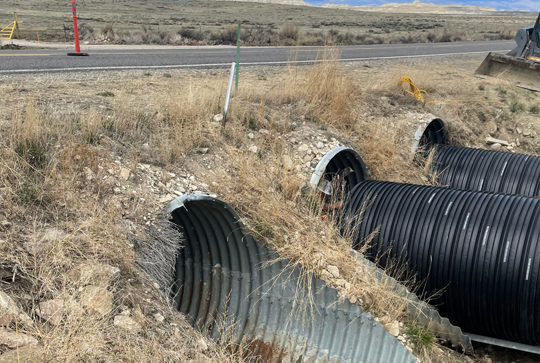
America’s Wastewater Infrastructure is currently rated at a D+, according to the 2025 ASCE Report Card for America’s Infrastructure. The Wastewater category includes both piping for the collection systems and the wastewater treatment plants the piping leads to. The collection system alone experiences 3.3 failures per 100 miles of pipe every year, putting pressure on maintenance teams to identify suspect pipes for either complete replacement or pipeline rehabilitation. This article will focus on the design and construction considerations necessary when a pipeline owner determines they will be rehabilitating an existing pipe.
SUBSCRIBE
The Pipe Blog is featured on the Contech eNewsletter. Get insights, news, tips & tricks delivered directly to your inbox. Sign Up Today to Receive.

